 English
 Spanish
 French
 German
 Italian
 Chinese (Simplified)
 Japanese
 Korean
 Arabic
 Portuguese



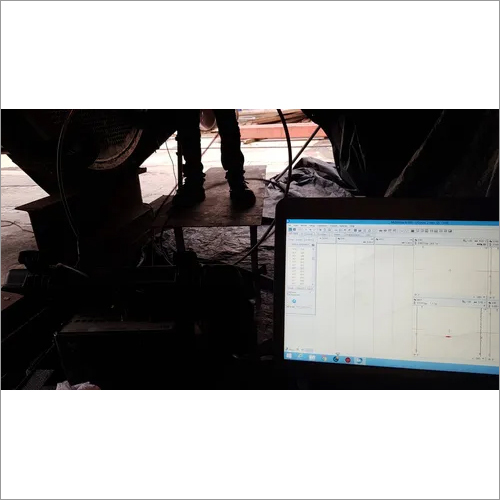
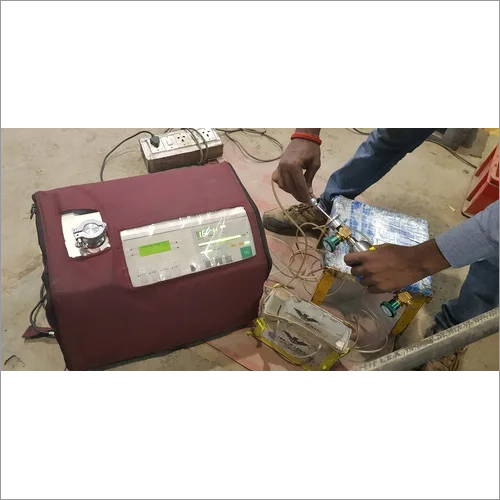
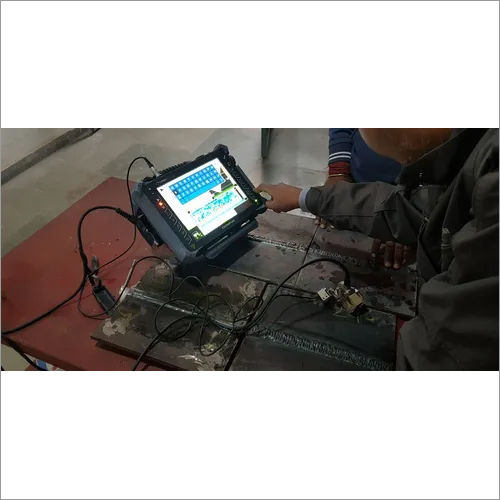
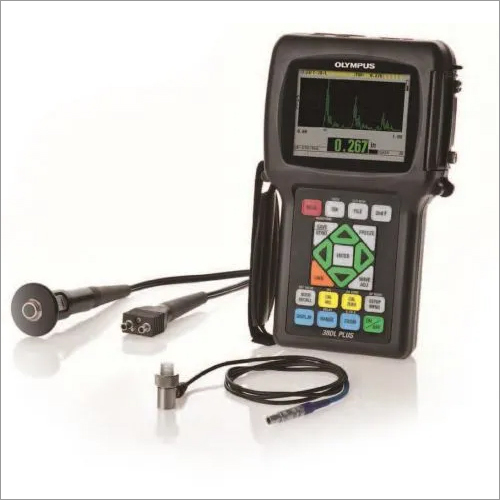
Time of Flight Diffraction
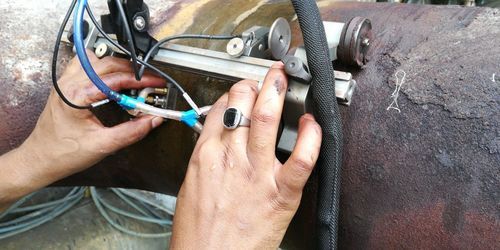
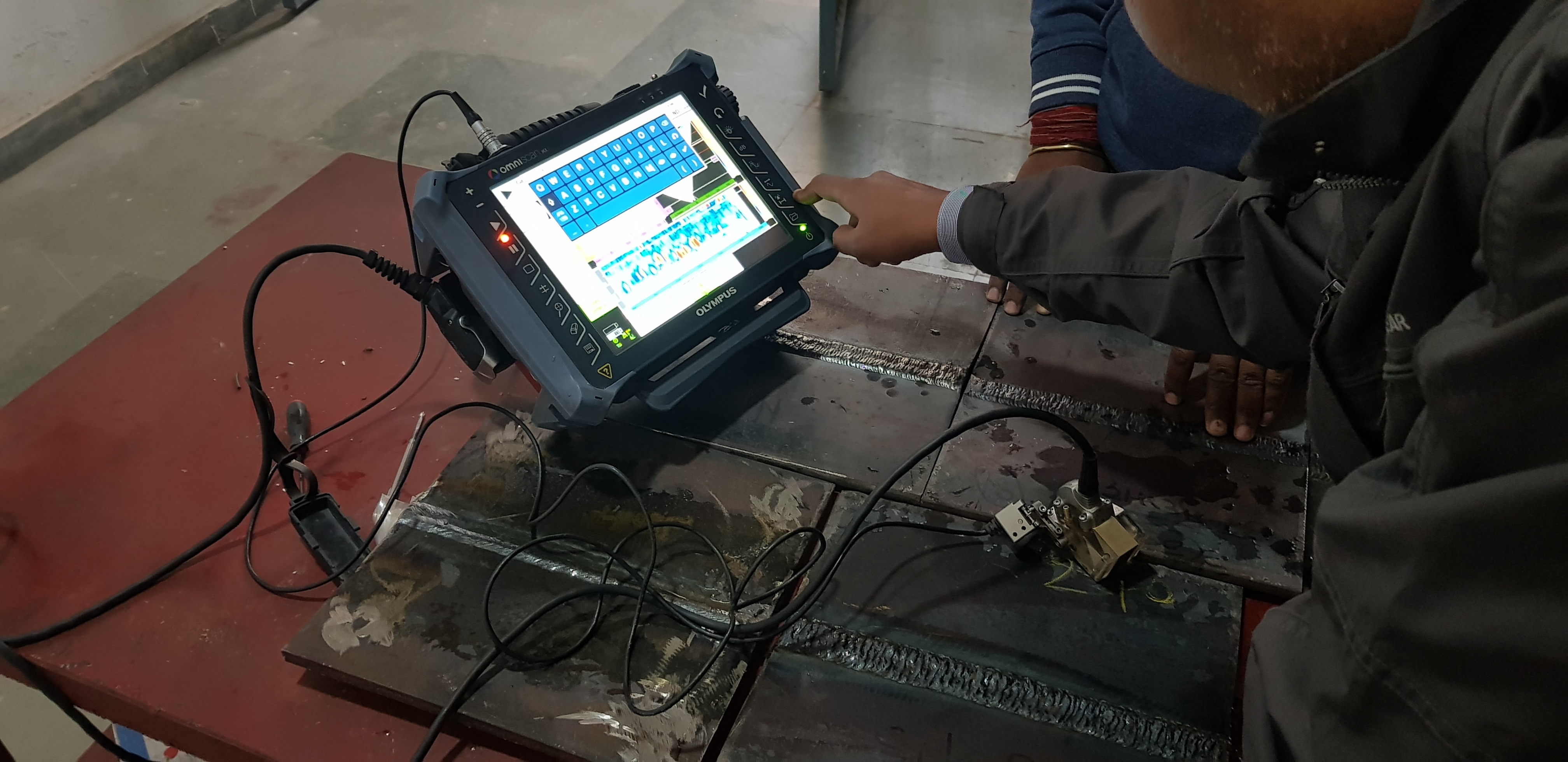

Time of Flight Diffraction Specification
- Usage & Applications
- Detection and sizing of flaws, weld inspection and corrosion mapping in metals
- Interface
- USB, Ethernet
- Power
- Rechargeable Lithium-ion Battery or Mains
- Temperature
- -10°C to 50°C (Operating)
- Measuring Range
- 1 mm to 500 mm (depending on probe and material)
- Weight
- Approx. 2-3 kg
- Display
- High-Resolution Colour LCD
- Frequency
- 50/60 Hz
- Material
- Industrial Grade Components
- Size
- Portable, Handheld Unit
- Driven Type
- Electric
- Voltage
- 100-240V AC
Time of Flight Diffraction Trade Information
- Payment Terms
- Cash on Delivery (COD), Cash Against Delivery (CAD), Cash in Advance (CID), Cheque, Cash Advance (CA)
- Sample Available
- Yes
- Main Export Market(s)
- Middle East, Asia, Africa
- Main Domestic Market
- North India
About Time of Flight Diffraction
Althoughtime-of-flight diffraction can be used for a variety of applications, it isprimarily used for weld testing of circumferential and axial welded joints,also known as perpendicular TOFD scanning. Since the time of introduction ofTOFD, the use of this non destructive testing technique has steadily increased.Manual execution is possible with TOFD, however, it is most commonly performedin combination with a recording device like an encoder or/and a scanner. To achievecertain code compliance, TOFD is sometimes coupled with pulse-echo or phasedarray techniques in order to cover the root and cap regions of the weld.
Product details
| Test Location | Onsite |
| Usage/Application | Mechanical Engineering |
| Certification Scheme | Employer Based Certification |
| Components Of Testing | Butt Welding Joints |
| Type Of Material | Non-Destructive |
| Application Type | Mechanical Engineering |
| Testing Methodology | Ultrasonic Testing |
| Place Of Testing | Field |
| Testing Type | Welding Test |
| Service Type | New Construction and Inspection |
Versatile Probe Compatibility
Designed to work seamlessly with a variety of TOFD probes, this device offers flexibility for different testing requirements. It adapts easily to changes in application or inspection procedures, accommodating a broad spectrum of industrial needs and ensuring precise results every time.
Advanced Signal Processing
The instrument employs cutting-edge digital signal processing technology for superior accuracy in flaw sizing and detection. With capabilities such as A-Scan and B-Scan imaging, users benefit from highly dependable and detailed assessments, greatly facilitating complex weld inspections and corrosion mapping.
Efficient Data Management and Connectivity
Built-in internal memory coupled with external USB and Ethernet interfaces makes data storage, retrieval, and transfer simple and secure. Combined with robust analysis software for PCs, data interpretation and reporting become streamlinedenabling confident decision-making.
FAQs of Time of Flight Diffraction:
Q: How does the TOFD device enhance flaw detection accuracy?
A: The instrument uses advanced digital signal processing with up to 0.01 mm resolution for precise flaw sizing. Both automated and manual calibration options help maintain accuracy across a wide range of inspection scenarios.Q: What types of probes are compatible with this TOFD instrument?
A: The device supports various TOFD probes, making it adaptable for different testing needs such as weld inspections and corrosion mapping in several types of metals.Q: When and where can this TOFD system be effectively utilized?
A: This portable, handheld device is suitable for use in industrial settings throughout Indiaespecially for onsite weld inspection, flaw detection, and corrosion mapping on metallic structures.Q: What is the process for storing and transferring inspection data?
A: Inspection data is stored in the devices internal memory or on external USB drives. For further analysis, data can be easily transferred to PCs via USB or Ethernet and reviewed using included compatible software.Q: How does the rugged design benefit users in challenging environments?
A: The splash-proof, industrial-grade housing ensures the instrument withstands harsh conditions and temperature ranges from -10C to 50C, providing reliability and durability in demanding workplaces.Q: What are the operating time and power options for the TOFD instrument?
A: The device offers a battery backup of 6-8 hours on a rechargeable lithium-ion battery and can also be powered via mains (100240V AC), ensuring uninterrupted operations.- Main Domestic Market
- North India
- Main Export Market(s)
- Middle East, Asia, Africa
 Get Latest Price
Price:
- 50
- 100
- 200
- 250
- 500
- 1000+

More Products in Advanced Non Destructive Testing Category
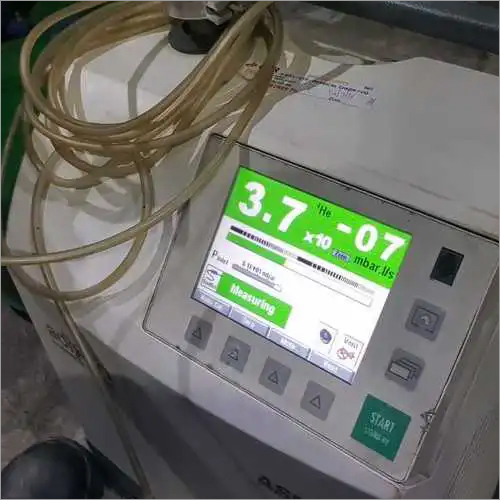
Helium Leak Testing
Interface : Digital and analog output interfaces, RS232/RS485, USB
Usage & Applications : Vacuum Systems, Automotive, Aerospace, Pharmaceutical, Power Plant Equipment, Sealed Components Testing
Measuring Range : 10⁻¹⁰ to 1 mbar l/s
Weight : Varies as per model and application
Power : 150300 W depending on model
Temperature : Operating range: 0°C to 50°C
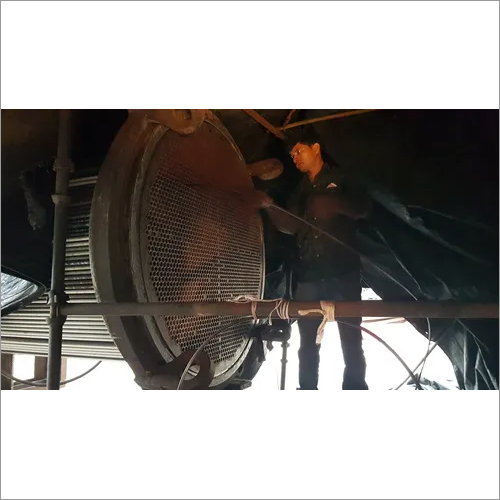
Remote Field Eddy Current Testing of Heat Exchanger Tubes
Interface : USB, Ethernet, wireless data transmission
Usage & Applications : Detection of corrosion, wall loss, pitting in heat exchanger tubes
Measuring Range : Tube lengths up to 30 meters
Weight : Portable probe unit approx. 1.5 kg
Power : 60W
Temperature : Operating range 0°C to 50°C
Oxide Scale Measurement of for boiler tubes
Interface : Digital with USB or serial output (RS232/RS485 options)
Usage & Applications : Onsite measurement of oxide scales on boiler tubes in thermal power plants, refineries, and industrial boilers
Measuring Range : 05 mm (oxide scale thickness)
Weight : Approx. 13 kg (Depending on model and probe length)
Power : Battery operated or mains powered
Temperature : Measuring capacity up to 600°C (device operating range 050°C)
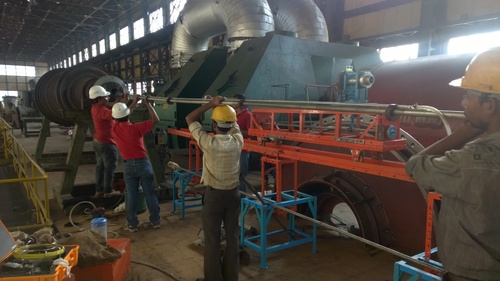
Borescopic Inspection Services
Interface : Compatible with digital displays, USB, SD card, and video output interfaces.
Usage & Applications : Internal visual inspection of inaccessible areas in pipelines, turbines, engines, vessels, welds, and structural cavities across industry sectors such as Oil & Gas, Aviation, Power, and Manufacturing.
Measuring Range : Visual inspection only; Not a dimensional measuring tool
Weight : Lightweight, Approx. 0.5 2.5 kg (depending on configuration)
Power : Rechargeable battery or mains powered supply
Temperature : Operating range from 10°C to 60°C (probe dependent)




Contact Details
AN NABL Accredited Lab For Mechanical & Chemical Testing Of Metals

 Send Inquiry
ITE Lab Division
Barola, Sector - 49 Noida, Uttar Pradesh - 201301
Industrial Facility Address :
Inspection & Testing Engineers
F-22 & F-23, Site - C, UPSIDC, Surajpur Industrial Area, Surajpur, Greater Noida, Uttar Pradesh

 |
INSPECTION & TESTING ENGINEERS
All Rights Reserved.(Terms of Use) Developed and Managed by Infocom Network Private Limited. |
