08045802743
 English
 Spanish
 French
 German
 Italian
 Chinese (Simplified)
 Japanese
 Korean
 Arabic
 Portuguese


Most popular produts
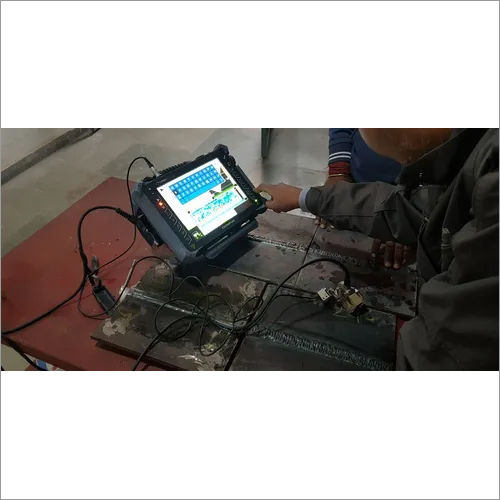

 Send Inquiry
Radiographic Testing Courses
Radiographic Testing Courses Specification
- Certification Provided
- Yes, after successful completion
- Accreditation
- As per Industry Standards
- Eligibility
- ITI, Diploma, Degree, BE, B.Tech
- Training Materials
- Included
- Industry Recognized
- Yes
- Course Type
- Radiographic Testing Courses
- Post Course Support
- Placement Assistance Provided
- Qualification
- Certification
- Practical Exposure
- Included
- Assessment Method
- Written and Practical Exams
- Course Duration
- 10-15 Days
- Application
- Radiographic Testing, NDT Inspections, X-Ray Testing
- Level
- Beginner to Advanced
- Language
- English & Regional
- Mode Of Training
- Class Room & Practical
- Batch Size
- Limited to ensure hands-on practice
About Radiographic Testing Courses
Radiographic Testing Courses
Radiographic Testing Courses also known as industrial radiography training, is a nondestructive testing (NDT) method of inspecting materials for defects by utilizing the ability of high energy photons (short wavelength electromagnetic radiation) to penetrate different materials. Either a radioactive source (Co-60 or Ir-192) or an X-ray machine can be used as photons source to complete the process. As the radiation amount coming out from the material's opposite side can be measured and detected, the difference between in this intensity (amount) of radiation is used to find out the availability of discontinuities or defects in the material. Radiations that penetrate are restricted to that part of the wavelength electromagnetic spectrum which is less than around 10 nanometres. Radiographic Testing Courses purpose is to demonstrate the nature and existence of flaws or other related structural discontinuities in the inner body of the materials under testing. Radiography utilizes the ability of short wavelength electromagnetic radiations, like Gamma ray or X-ray, to penetrate objects. In general, the penetration power is inversely proportionate to the size of wavelength.
Some of the radiation passing inside the material is absorbed in the material itself. The amount of absorption is a function of the thickness, density and material's atomic number. Should there be any discontinuity or cavity in the inner structure of the material, the radiation beam will have less material to penetrate than in completely solid and flawless material. Also, there will be an absorption variation in the rays if the material area is defective. The measured and recorded variation on a Gamma ray or X ray sensitive film, generates an image which will show the presence of the flaw. The image is an Gamma ray or X-ray shadow of the inner structure of the material. Thus, radiography is primarily based on the shadow projection principle and hence the shadow picture is called a Radiograph. To provide detailed information, variations in the darkness of the shadow may be interpreted. The basic setup typically consists of a radiation source, a detector (generally a photographic film sheet) and the object to be radiographed.
Advantages
Some of the radiation passing inside the material is absorbed in the material itself. The amount of absorption is a function of the thickness, density and material's atomic number. Should there be any discontinuity or cavity in the inner structure of the material, the radiation beam will have less material to penetrate than in completely solid and flawless material. Also, there will be an absorption variation in the rays if the material area is defective. The measured and recorded variation on a Gamma ray or X ray sensitive film, generates an image which will show the presence of the flaw. The image is an Gamma ray or X-ray shadow of the inner structure of the material. Thus, radiography is primarily based on the shadow projection principle and hence the shadow picture is called a Radiograph. To provide detailed information, variations in the darkness of the shadow may be interpreted. The basic setup typically consists of a radiation source, a detector (generally a photographic film sheet) and the object to be radiographed.
Advantages
- Best NDT method forvolumetric discontinuities detection.
- Precise location of the Internal flaws.
- Radiographs/Records could be stored forever.
Product details
| Service Mode | Offline |
| Test Location | Laboratory |
| Process Type | Engineering |
| Test Type | Continuous Test |
| Application / Industry | Industrial |
| Application | Manufacturer |
| Testing Type | Broken Wires / Connections |
| Testimonials Format | Hardcopy |
| Testing Result Duration | 2 to 6 Hours |
In-Depth Radiographic Testing Training
Gain a solid foundation or advance your expertise in radiographic testing through structured lessons and practical sessions. Our accredited curriculum covers theory and hands-on practice in X-ray and NDT inspections, ensuring comprehensive understanding and skill development.
Certification and Industry Recognition
Upon successful completion and passing the assessments, you will receive a certification recognized across various industries. The curriculum is designed in accordance with industry standards, equipping you for roles in radiographic testing and non-destructive testing.
Support Beyond Training
Our commitment extends beyond training, offering job placement assistance after you complete the course. You will also receive study materials and access to instructors for resolving queries, ensuring a seamless transition from learning to employment.
FAQs of Radiographic Testing Courses:
Q: How is practical exposure integrated into the radiographic testing course?
A: The course combines classroom theory with extensive hands-on practice using real-world equipment. Limited batch sizes ensure each participant receives individualized guidance during practical sessions, which are a core component of your learning experience.Q: What are the eligibility criteria for enrolling in this radiographic testing program?
A: Applicants must have completed at least an ITI, diploma, degree, BE, or B.Tech. This makes the course accessible for individuals at different academic and professional stages who are interested in radiographic or X-ray testing.Q: When can I expect to receive my certification after finishing the course?
A: Certification is awarded promptly after you successfully clear both the written and practical examinations, which are held at the conclusion of the 10 to 15 day training period.Q: Where is the training conducted and in which languages is it offered?
A: Training is delivered in classroom and practical formats at authorized centers across India. Instruction is available in both English and selected regional languages, enhancing accessibility for diverse participants.Q: What support is offered once I complete the radiographic testing course?
A: Upon course completion, you will receive placement assistance to help you secure suitable positions in the industry. Our support also includes post-training guidance and access to learning resources for continued professional growth.Q: How do the assessment methods ensure I am industry-ready?
A: The combined use of written and practical examinations evaluates your theoretical understanding and hands-on skills, ensuring that you meet industry expectations and are well prepared for real-world challenges.Q: What benefits does this training program offer over others?
A: Our course stands out due to its industry accreditation, intensive practical exposure, small batch sizes for better hands-on learning, thorough curriculum, and strong post-course placement supportlaying a strong foundation for your career in NDT and radiographic testing.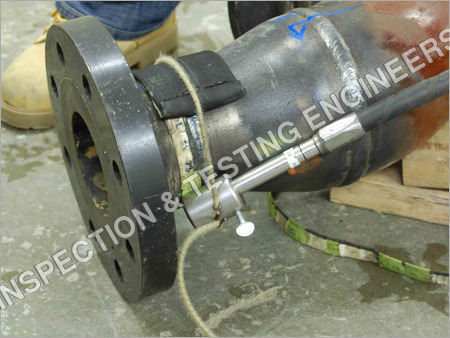
Tell us about your requirement

Price:
Quantity
Select Unit
- 50
- 100
- 200
- 250
- 500
- 1000+
Additional detail
Mobile number
Email

More Products in Non Destructive Testing Training and Certification Category
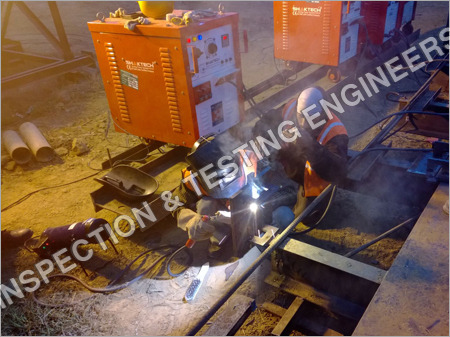
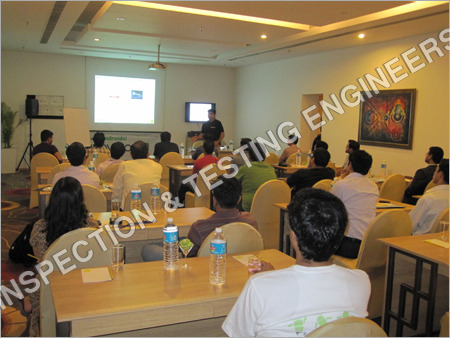

Quick Inquiry


Contact Details
INSPECTION & TESTING ENGINEERS
AN NABL Accredited Lab For Mechanical & Chemical Testing Of Metals
AN NABL Accredited Lab For Mechanical & Chemical Testing Of Metals
Correspondence Address : F 22-23, Site C, Surajpur Industrial Area, UPSIDC, Greater Noida - 201308, Uttar Pradesh, India
Phone :08045802743
 Send Inquiry
Lab Address :
ITE Lab Division
Barola, Sector - 49 Noida, Uttar Pradesh - 201301
Industrial Facility Address :
Inspection & Testing Engineers
F-22 & F-23, Site - C, UPSIDC, Surajpur Industrial Area, Surajpur, Greater Noida, Uttar Pradesh
ITE Lab Division
Barola, Sector - 49 Noida, Uttar Pradesh - 201301
Industrial Facility Address :
Inspection & Testing Engineers
F-22 & F-23, Site - C, UPSIDC, Surajpur Industrial Area, Surajpur, Greater Noida, Uttar Pradesh

 |
INSPECTION & TESTING ENGINEERS
All Rights Reserved.(Terms of Use) Developed and Managed by Infocom Network Private Limited. |
