 English
 Spanish
 French
 German
 Italian
 Chinese (Simplified)
 Japanese
 Korean
 Arabic
 Portuguese




 Send Inquiry
Quality Assurance and Quality Control
Price 14000 INR/ Number
Quality Assurance and Quality Control Specification
- Compliance Standard
- Adheres to international quality standards
- Documentation
- Detailed records of QA/QC interventions maintained
- Inspection Frequency
- As per project and client requirements
- QC Methods
- Statistical process control, random inspections, and documentation reviews
- Corrective Actions
- Immediate corrective measures implemented against non-conformance
- Quality Assurance Type
- Systematic and planned quality processes to ensure standard compliance
- Testing Facilities
- Advanced lab instruments and on-site checks
- Traceability
- Batch-wise and process-wise traceability maintained
- Reporting
- Periodic quality reports generated for traceability
Quality Assurance and Quality Control Trade Information
- Minimum Order Quantity
- 1 Number
- FOB Port
- At our Industrial Facility / Training Institute in Greater Noida
- Supply Ability
- 50 Per Week
- Delivery Time
- 12 Days
- Sample Available
- Yes
- Sample Policy
- Contact us for information regarding our sample policy
- Packaging Details
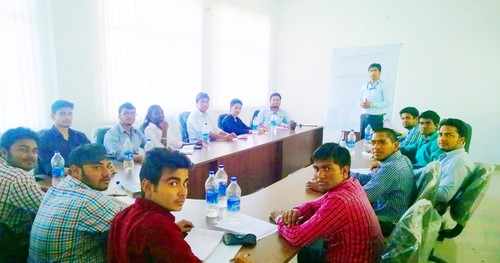
- Level II classes are taken by ASNT NDT Level III certified Engineer.
- Main Export Market(s)
- Middle East, Asia
- Main Domestic Market
- North India
About Quality Assurance and Quality Control
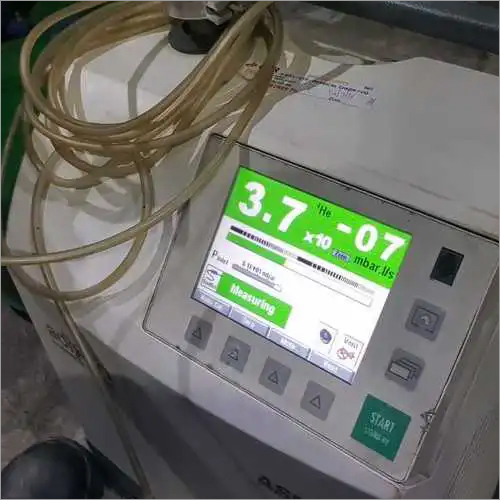
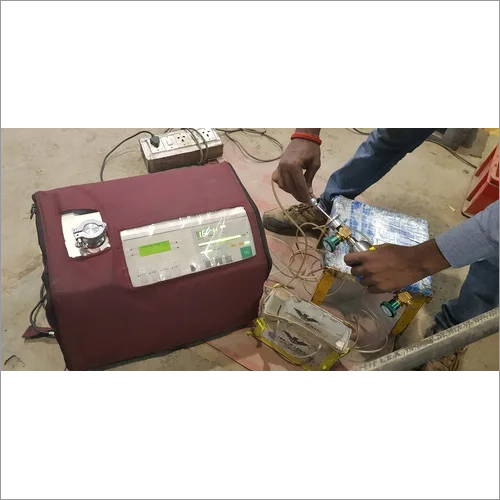
QA QC (Quality Assurance and Quality Control) courses for mechanical testing, piping, and fabrication are designed to provide engineers and technicians with the knowledge and skills necessary to ensure the quality and safety of mechanical components and systems. These courses cover a range of topics, from material testing and inspection to welding and non destructive testing.
Mechanical testing is a critical aspect of QA QC for mechanical components, and these courses cover a variety of testing methods,including tensile testing, hardness testing, and impact testing. Engineers and technicians learn how to perform these tests, interpret the results, and use the data to make informed decisions about the suitability of a component for its intended application.
Piping and fabrication are also important areas of focus in QA QC courses. These courses cover the fabrication process from design andmaterial selection to welding and assembly. Engineers and technicians learn about the different types of welding processes and techniques, as well as the inspection and testing methods used to ensure the quality of the welds. They also learn about the different types of piping systems and how to design, install, and inspect them to ensure safety and reliability.
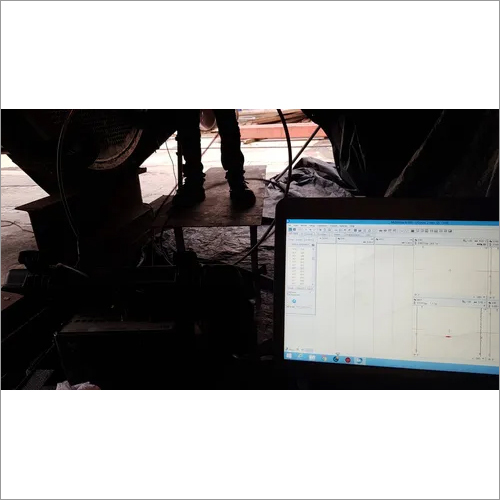
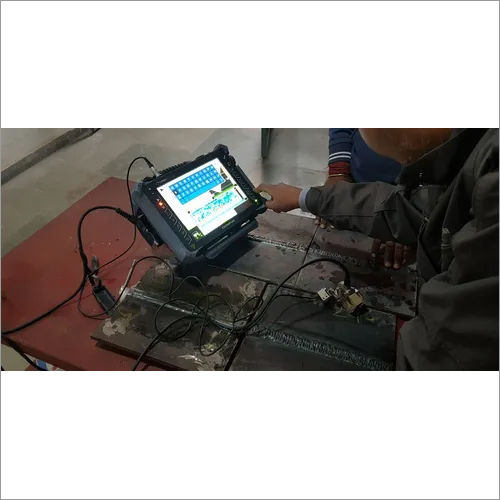
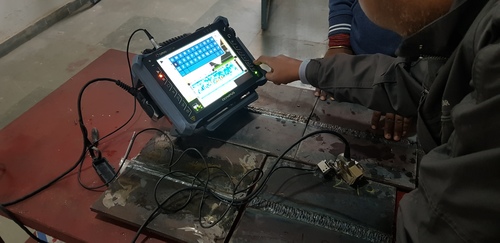
Non destructive testing (NDT) is another critical aspect of QA QC courses. NDT methods, such as ultrasonic testing, X ray testing, andvisual testing, are used to detect flaws and defects in mechanical components without damaging them. Engineers and technicians learn how to perform these tests and interpret the results to ensure the safety and reliability of the components.
In conclusion, QA QC courses for mechanical testing, piping, and fabrication are essential for engineers and technicians involved in the design, fabrication, and inspection of mechanical components and systems. These courses provide the knowledge and skills necessary to ensure the quality and safety of these components and systems, helping to prevent failures and ensure long term reliability.
Systematic Quality Assurance Approach
We implement a planned and structured QA methodology, integrating international standards with tailored processes to suit each client's needs. Our systematic approach guarantees that all project deliverables are in strict compliance with required benchmarks, providing consistency and reliability across operations.
Advanced Tools and Documentation
Our service leverages advanced laboratory instruments and cutting-edge on-site testing to achieve precise results. Every stage is thoroughly documented, creating a detailed record of interventions and traceability for each batch and process, enabling swift root-cause analysis if issues occur.
Transparent Reporting and Immediate Action
We generate periodic quality reports for client review, ensuring full transparency in quality interventions. Should any non-conformance arise, immediate corrective actions are promptly implemented, maintaining high standards and client trust throughout the service delivery process.
FAQ's of Quality Assurance and Quality Control:
Q: How does your QA process ensure compliance with international standards?
A: Our quality assurance process is systematic and planned, incorporating detailed procedures aligned with international standards. We employ specialized methods such as statistical process controls and regular documentation reviews to guarantee that all outputs adhere to required benchmarks.Q: What quality control methods are used for inspections and traceability?
A: We utilize statistical process control, random inspections, and thorough documentation reviews. Our processes ensure traceability both batch-wise and process-wise, with all interventions carefully documented for transparency and future reference.Q: When and how often are inspections carried out during a project?
A: Inspection frequency is determined by specific project requirements and client preferences, ensuring flexibility and relevance. These inspections are scheduled systematically and can be adapted to tighter or broader intervals as necessitated by the situation.Q: Where are QA/QC tests conducted?
A: Testing takes place in advanced laboratories equipped with modern instruments for detailed analysis, as well as on-site for real-time quality assessments. This dual approach ensures thorough examination and immediate identification of issues in various environments.Q: What is the benefit of detailed documentation and reporting in your services?
A: Maintaining detailed records of QA/QC interventions allows for complete traceability, simplifies compliance audits, and provides clients with clear reports regarding quality status. This supports transparent communication and eases root-cause analysis should problems arise.Q: How are corrective actions implemented in case of non-conformance?
A: If any non-conformance is identified, immediate corrective measures are put in place following established protocols. This rapid response minimizes quality risks and maintains consistent adherence to client and regulatory standards.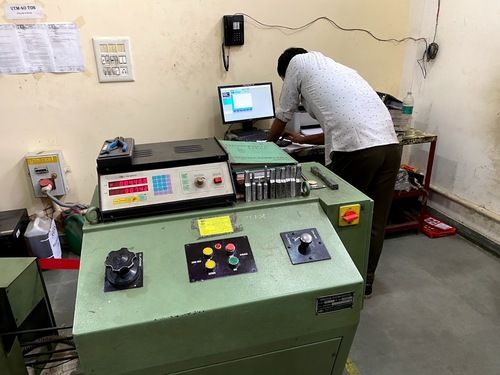

Price:
- 50
- 100
- 200
- 250
- 500
- 1000+

More Products in Training and Certifications Category
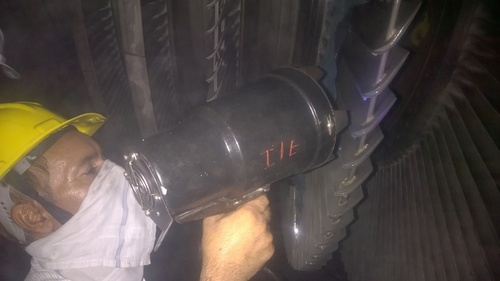
ASNT Level II in Magnetic Particle Testing
Price 3000 INR / Number
Minimum Order Quantity : 1 Number





Contact Details
AN NABL Accredited Lab For Mechanical & Chemical Testing Of Metals
 Send Inquiry
ITE Lab Division
Barola, Sector - 49 Noida, Uttar Pradesh - 201301
Industrial Facility Address :
Inspection & Testing Engineers
F-22 & F-23, Site - C, UPSIDC, Surajpur Industrial Area, Surajpur, Greater Noida, Uttar Pradesh

 |
INSPECTION & TESTING ENGINEERS
All Rights Reserved.(Terms of Use) Developed and Managed by Infocom Network Private Limited. |
