 English
 Spanish
 French
 German
 Italian
 Chinese (Simplified)
 Japanese
 Korean
 Arabic
 Portuguese



 Send Inquiry
Magnetic Particle Testing
Magnetic Particle Testing Trade Information
- Sample Available
- Yes
- Main Domestic Market
- North India
About Magnetic Particle Testing
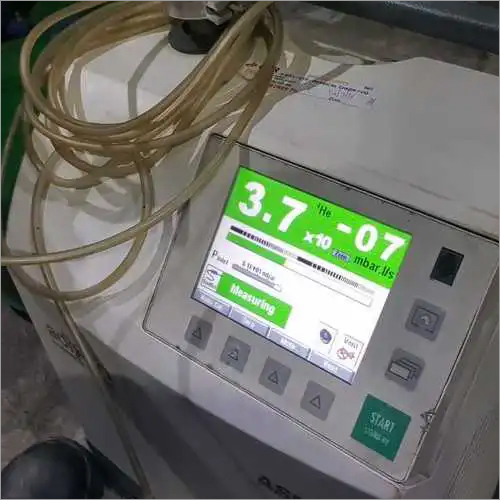
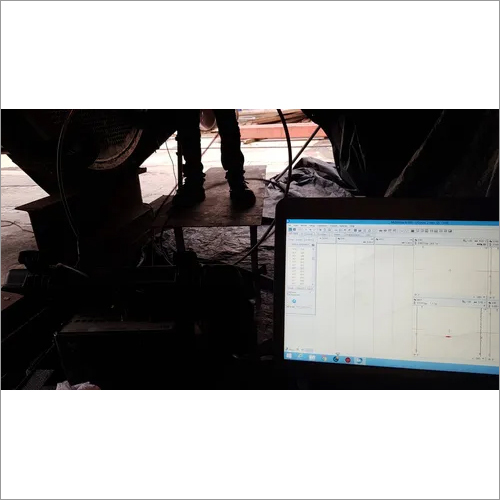
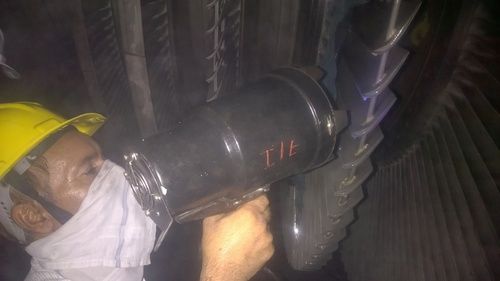
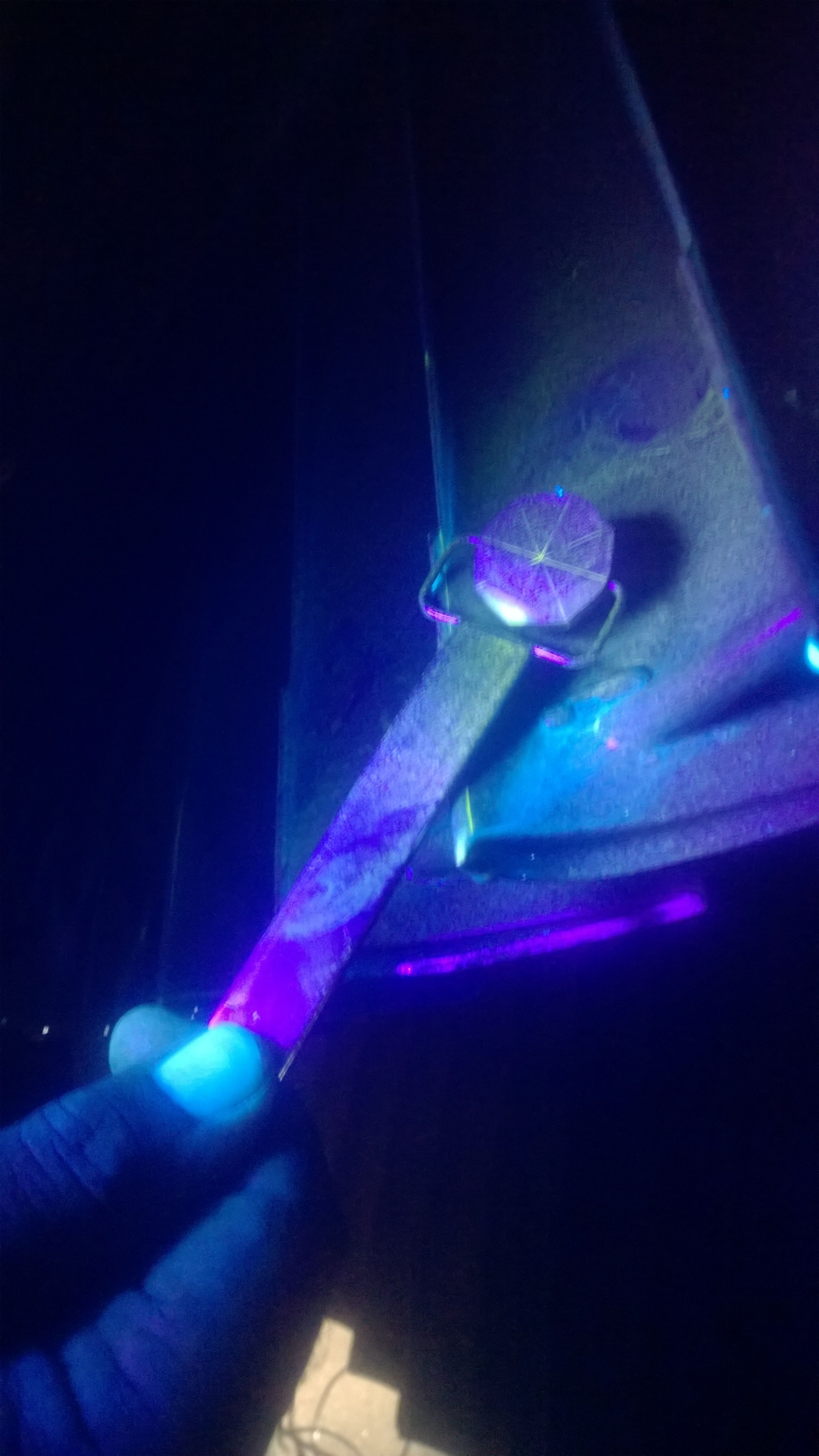
Magnetic particle testing (MPT) is a Non Destructive Testing (NDT) technique used to detect surface and near surface defects in ferromagnetic materials, such as iron, steel, and nickel. This testing method involves the creation of a magnetic field in the material being tested, which is then coated with iron oxide particles. If there is a defect on or near the surface of the material, the particles will be attracted to it and create a visible indication.
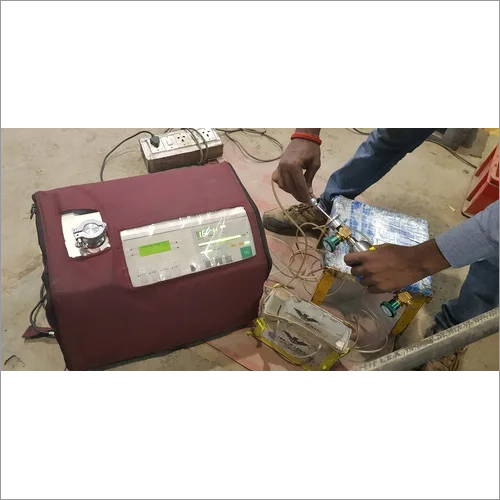
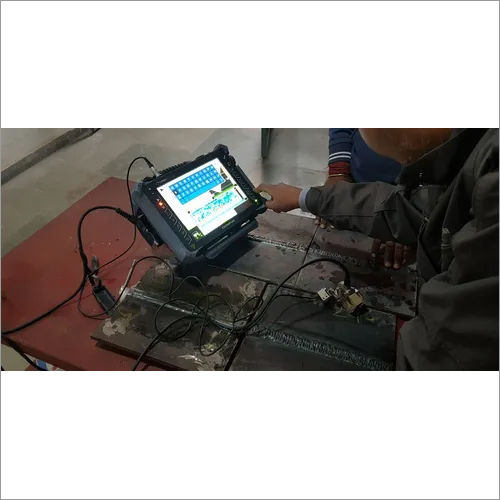
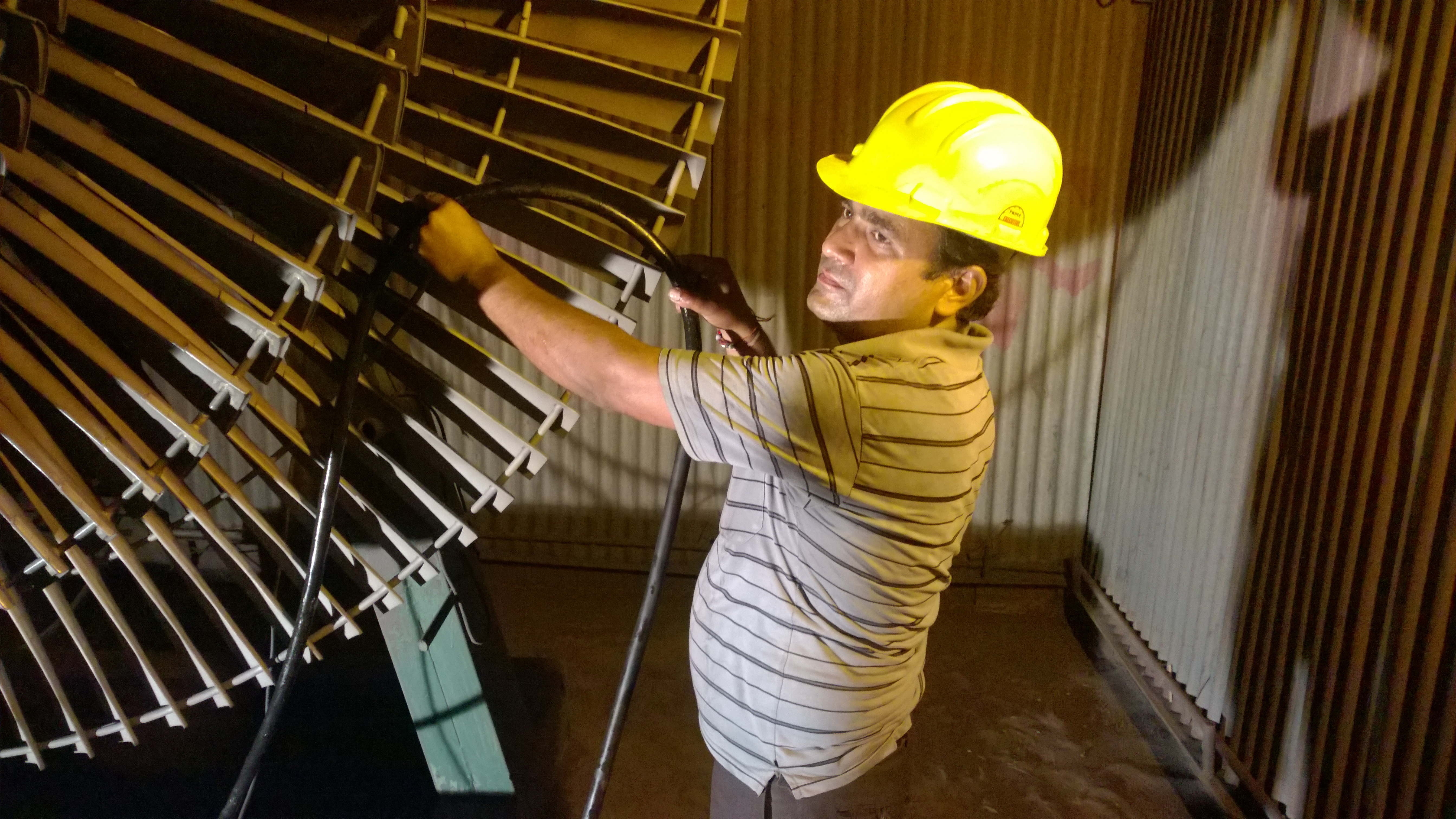
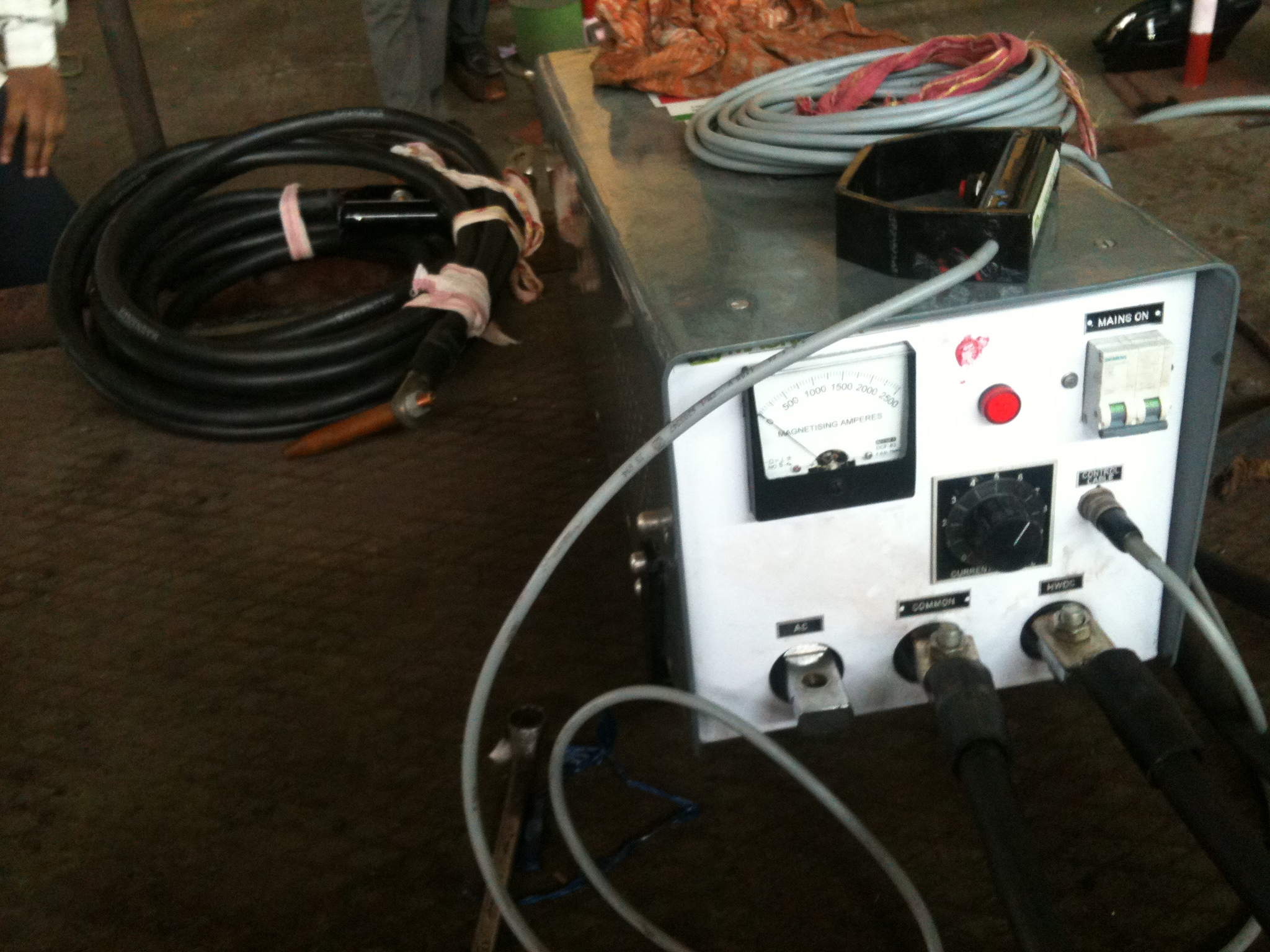
The process of magnetic particle testing typically involves the use of a portable or benchtop magnetizing unit to create a magnetic field in the material. Once the magnetic field is established, the surface is coated with a magnetic particle suspension, which is typically a dry powder or liquid. The particles are attracted to the areas of flux leakage caused by surface and near surface defects, forming a visible indication that can be evaluated and interpreted by a trained inspector.
Magnetic particle testing is a versatile NDT technique that can detect a wide range of defects, including cracks, porosity, and laps, among others. It is commonly used in industries such as manufacturing, construction, and aerospace to ensure the safety and quality of metal components.
One of the key benefits of magnetic particle testing is that it is a relatively quick and inexpensive testing method, making it an attractive option for many engineering applications. Additionally, it can be performed on both ferromagnetic materials and non ferromagnetic materials that have been magnetized, such as some stainless steels and aluminum alloys.
Overall, magnetic particle testing is a highly effective NDT technique that provides engineers with valuable information about the integrity of metal components. It is a widely used method that can help to ensure the safety and reliability of metal products in a variety of industries.
Product details
|
Testing Type |
MPI |
|
Service Mode |
Offline |
|
Location |
India |
|
Application / Industry |
Industrial |
|
Testing Frequency |
Monthly |
|
Carrier Medium |
Water Based |

Price:
- 50
- 100
- 200
- 250
- 500
- 1000+

More Products in Non Destructive Testing Category
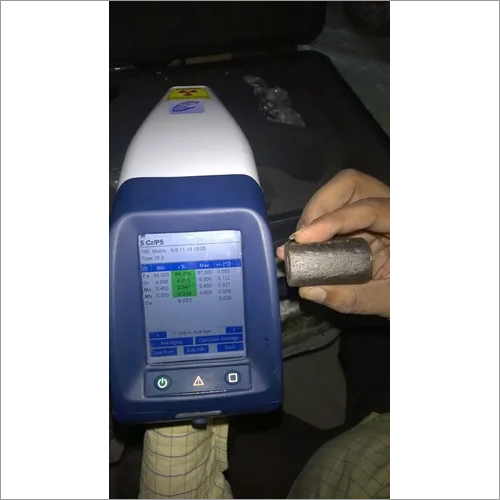
Positive Material Identification
Usage & Applications : Positive Material Identification (PMI) in metals and alloys, including quality assurance and sorting
Temperature : 0C to +50C
Material : Stainless Steel
Measuring Range : Up to 30 Elements
Display : Digital LCD Touch Screen
Weight : 2.5 kg (Approx)
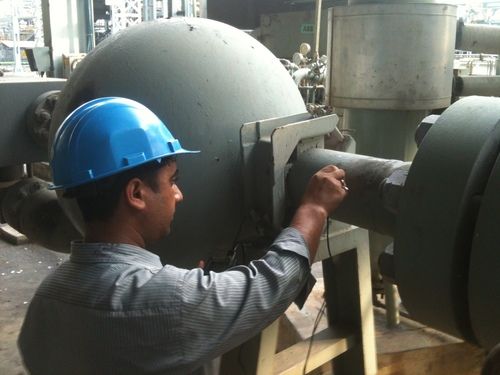
Ultrasonic Thickness Measurement
Usage & Applications : Measuring thickness of metals, pipes, tanks, and other materials
Temperature : 10C to 60C (operating)
Material : ABS Plastic
Measuring Range : 1.2 mm 225.0 mm (in steel)
Display : 4digit LCD
Weight : 230 g (including batteries)
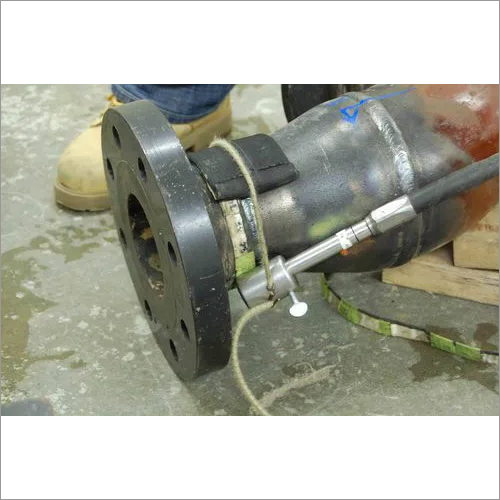
Radiography Testing
Usage & Applications : Non Destructive Testing, Inspection of Welds, Casting, Forging, and Structural components
Temperature : 0 to 50 Degree Celsius
Material : Mild Steel
Measuring Range : Varies as per model
Display : Digital Display
Weight : 7 Kilograms (kg)
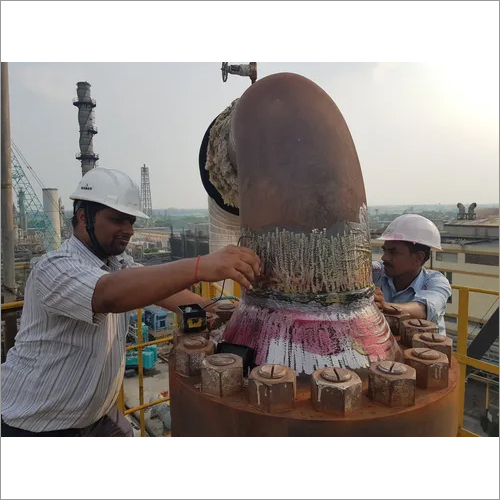
Ultrasonic Testing
Usage & Applications : Flaw Detection, Thickness Measurement, Weld Inspection
Temperature : Operating: 0C to 50C
Material : Stainless Steel
Measuring Range : 1 mm 300 mm (in steel)
Display : Digital LCD Display
Weight : Approx. 23 kg



Contact Details
AN NABL Accredited Lab For Mechanical & Chemical Testing Of Metals
 Send Inquiry
ITE Lab Division
Barola, Sector - 49 Noida, Uttar Pradesh - 201301
Industrial Facility Address :
Inspection & Testing Engineers
F-22 & F-23, Site - C, UPSIDC, Surajpur Industrial Area, Surajpur, Greater Noida, Uttar Pradesh

 |
INSPECTION & TESTING ENGINEERS
All Rights Reserved.(Terms of Use) Developed and Managed by Infocom Network Private Limited. |
