 English
 Spanish
 French
 German
 Italian
 Chinese (Simplified)
 Japanese
 Korean
 Arabic
 Portuguese



 Send Inquiry
Radiography Testing
Radiography Testing Specification
- Display
- Digital Display
- Interface
- Digital Interface
- Usage & Applications
- Non Destructive Testing, Inspection of Welds, Casting, Forging, and Structural components
- Temperature
- 0 to 50 Degree Celsius
- Driven Type
- Electric
- Size
- Customizable
- Weight
- 7 Kilograms (kg)
- Frequency
- 50 Hertz (HZ)
- Voltage
- 220 Volt (v)
- Power
- 50 Watt (w)
- Material
- Mild Steel
- Measuring Range
- Varies as per model
- Safety Interlocks
- Integrated
- Control Panel
- Microprocessor based
- Image Resolution
- High Resolution Imaging
- Compatible Film
- Industrial Radiographic Film
- Mobility
- With Caster Wheels
- Operating Mode
- Manual/Automatic
- Type
- Portable Radiography Unit
- Scanning Speed
- Standard/High Speed
- Radiation Source
- X-Ray or Gamma Ray
- Protection
- Lead Shielded for Radiation Safety
Radiography Testing Trade Information
- Main Export Market(s)
- Asia
- Main Domestic Market
- North India
About Radiography Testing
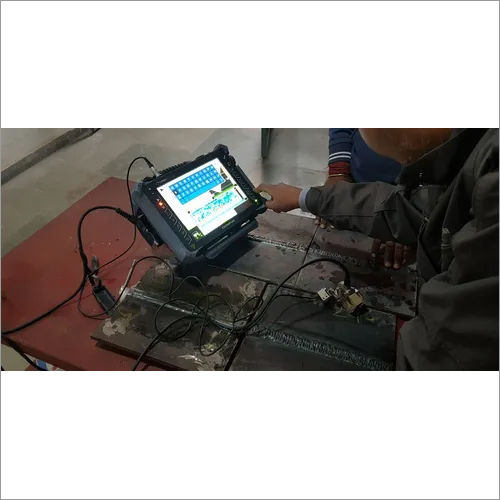
Radiographic Testing (RT), or industrial radiography, is a nondestructive testing (NDT) method of inspecting materials for hidden flaws by using the ability of short wave length electromagnetic radiation (high energy photons) to penetrate various materials.
Either an X-ray machine or a radioactive source (Ir-192 or Co-60) can be used as a source of photons.
Radiography testing (RT) is a non destructive testing (NDT) technique used to evaluate the internal structure and integrity of materials, primarily metals. It involves the use of X rays or gamma rays to create an image of the materials internal structure, which can then be analyzed for defects or irregularities. Radiography testing is commonly used in industries such as manufacturing, construction, and aerospace to ensure the safety and quality of metal components.
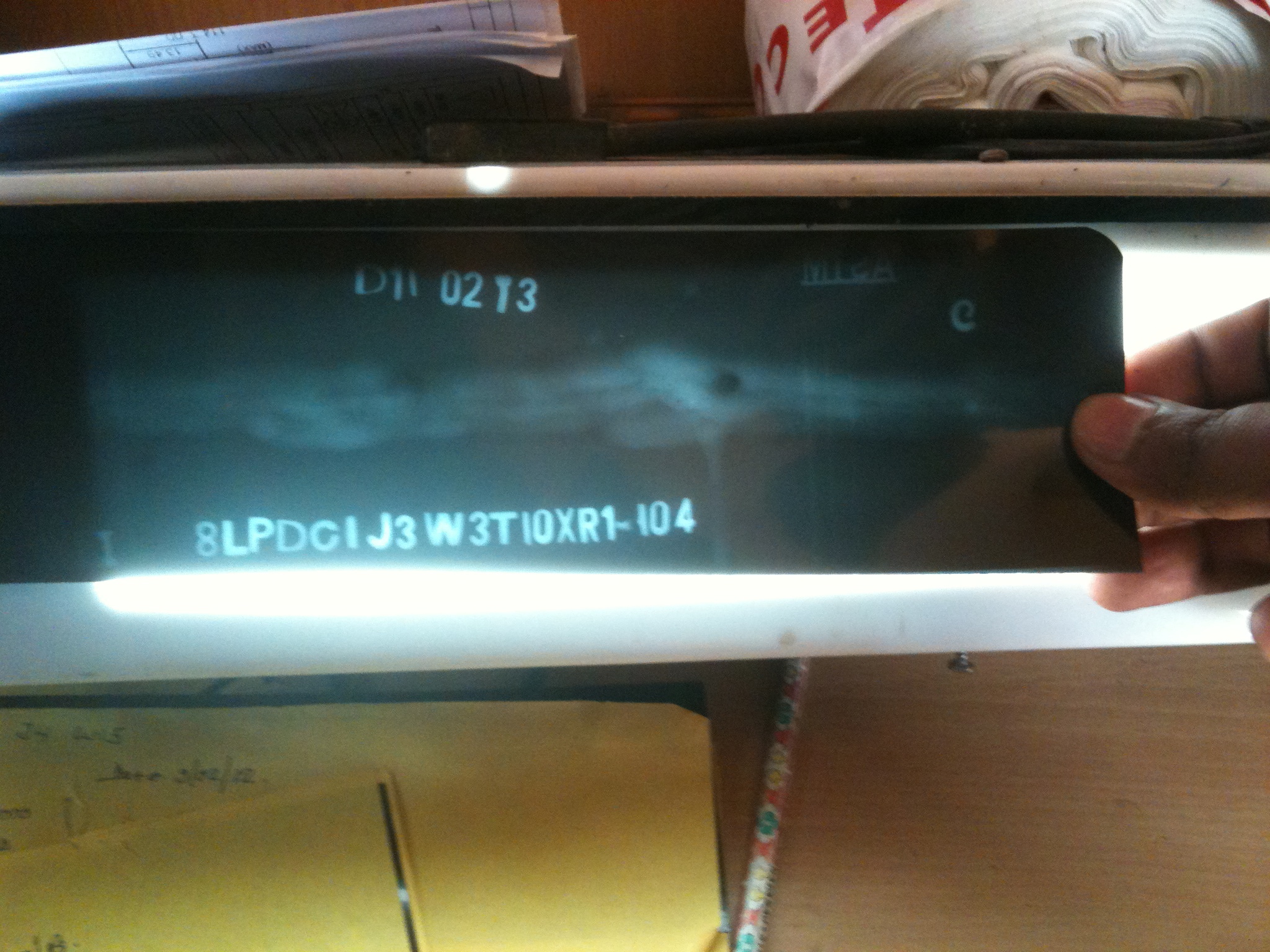
The process of radiography testing typically involves the use of a radiography machine, which emits a beam of radiation that penetrates the material being tested. The radiation is absorbed differently by different materials, and this creates a contrast between different parts of the material on the radiographic film or digital detector. This contrast allows the radiographer to identify any defects or inconsistencies within the material.
Radiography testing can detect a wide range of defects, including cracks, voids, inclusions, and porosity. These defects can be caused by a variety of factors, such as manufacturing flaws, material degradation, or physical damage. By identifying these defects, engineers can determine the safety and reliability of a metal component and take appropriate measures to repair or replace it if necessary.
Overall, radiography testing is a highly effective NDT technique that provides engineers with valuable information about the internal structure and quality of metals. It can help to ensure the safety and reliability of metal components in a variety of industries and is an essential tool in the development and production of high quality metal products.
Versatile High-Resolution Radiography
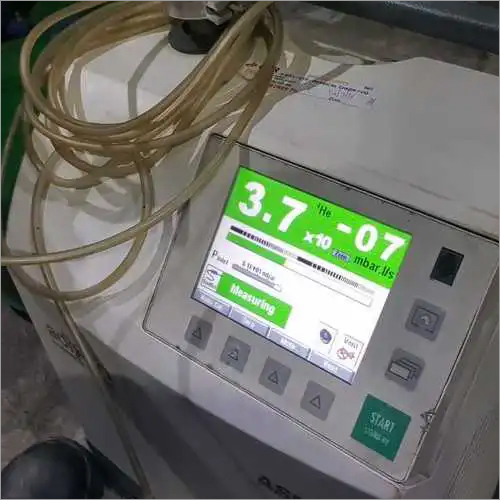
Achieve detailed imaging for critical inspections with this portable radiography unit. Whether examining weld seams, castings, or structural parts, its high-resolution imaging capability delivers reliable results for non-destructive testing in various industries.
Safety and Mobility Combined
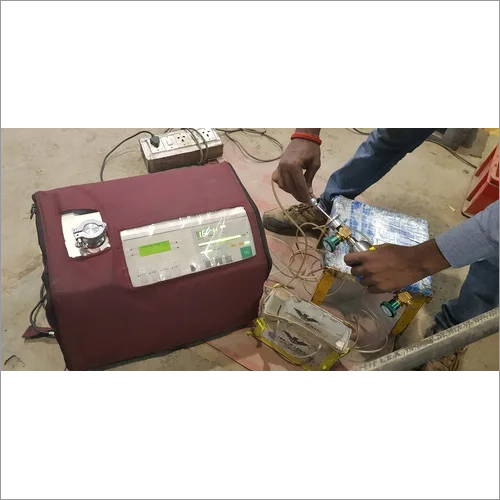
This unit prioritizes safety with integrated lead shielding and safety interlocks, reducing radiation risk during operation. Lightweight construction and caster wheels ensure effortless mobility, making it suitable for use across multiple work sites or inspection zones.
Advanced Control and User Convenience
The microprocessor-based control panel, digital interface, and user-friendly display combine to offer easy configuration and real-time monitoring. Both manual and automatic modes enable flexible operation to suit standard or high-speed scanning needs.
FAQs of Radiography Testing:
Q: How does the portable radiography unit enhance non-destructive testing?
A: The unit provides high-resolution X-ray or gamma ray imaging, allowing for thorough inspection of welds, castings, forgings, and structural components without causing damage. Its portability and mobility make it ideal for on-site evaluations in industrial environments.Q: What safety features are integrated into this radiography testing device?
A: Lead shielding and built-in safety interlocks are incorporated to minimize radiation exposure to operators and nearby personnel. These features ensure regulatory compliance and reinforce user safety during all stages of testing.Q: When should I use manual versus automatic operating modes?
A: Manual mode offers precise control for specialized inspections or adjustments, while automatic mode streamlines standard or high-speed scanning tasks. The choice depends on the complexity of the job and the desired inspection speed.Q: Where can this radiography unit be deployed for inspections?
A: Thanks to its compact, 7 kg design and caster wheels, the unit can be easily moved and used in manufacturing plants, construction sites, repair workshops, and other industrial settings requiring portable, high-quality testing.Q: What benefits does the microprocessor-based control panel provide?
A: The advanced control panel enables precise configuration, real-time monitoring, and ease of use. It also supports digital interfacing, enhancing accuracy and documentation during radiographic operations.Q: Which types of radiographic films are compatible with this unit?
A: The unit is designed for use with various industrial radiographic films, ensuring flexibility to adapt to specific imaging and documentation needs across different inspection tasks.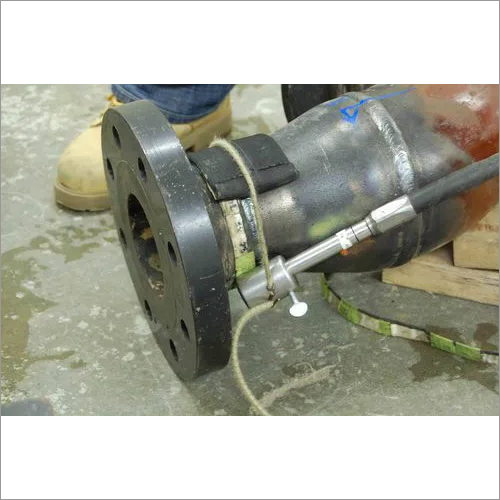

Price:
- 50
- 100
- 200
- 250
- 500
- 1000+

More Products in Non Destructive Testing Category
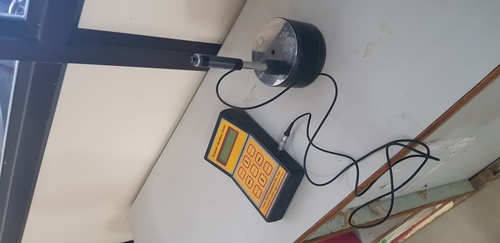
Insitu Hardness Testing Services
Usage & Applications : Hardness Testing of Metal Components On Site
Interface : Digital
Driven Type : Electric
Material : Steel
Measuring Range : 150950 HLD
Temperature : 050 Degree Celsius
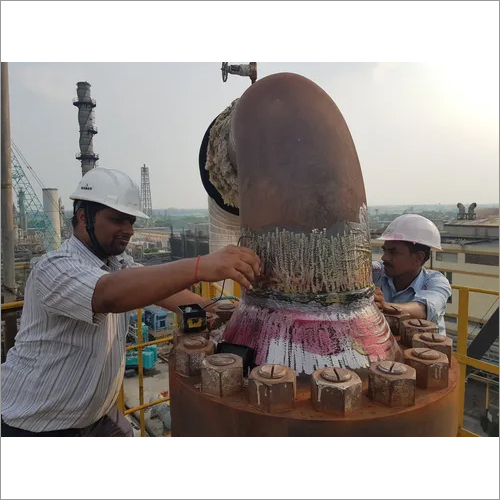
Ultrasonic Testing
Usage & Applications : Flaw Detection, Thickness Measurement, Weld Inspection
Interface : Digital, USB/Data Port
Driven Type : Electric
Material : Stainless Steel
Measuring Range : 1 mm 300 mm (in steel)
Temperature : Operating: 0C to 50C
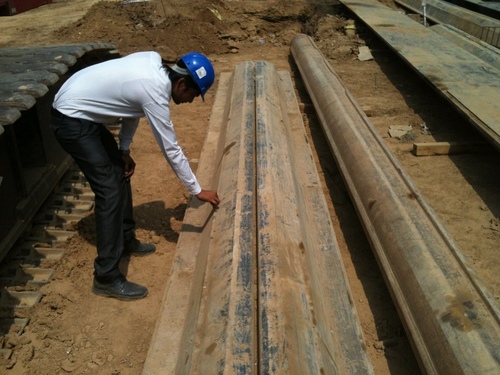
Metal Visual Testing Services
Usage & Applications : Weld inspection, surface flaw detection, quality control
Interface : Digital display
Driven Type : Electric
Material : mild steel
Measuring Range : Up to 100 mm (depth)
Temperature : 0 to 50C
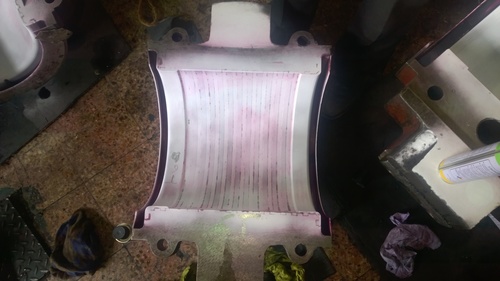
Liquid Penetrant Testing
Usage & Applications : Detection of surfacebreaking defects on ferrous and nonferrous metals, ceramics, and nonporous materials. Widely used in metal fabrication, aerospace, automotive, and welding inspection.
Interface : Manual application (spray, brush, or immersion)
Driven Type : Manual
Material : Liquid Penetrant (chemically formulated for nondestructive testing)
Measuring Range : Surface defect detection (visibility depends on flaw size and test surface)
Temperature : Optimal working temperature: 10C to 50C



Contact Details
AN NABL Accredited Lab For Mechanical & Chemical Testing Of Metals
 Send Inquiry
ITE Lab Division
Barola, Sector - 49 Noida, Uttar Pradesh - 201301
Industrial Facility Address :
Inspection & Testing Engineers
F-22 & F-23, Site - C, UPSIDC, Surajpur Industrial Area, Surajpur, Greater Noida, Uttar Pradesh

 |
INSPECTION & TESTING ENGINEERS
All Rights Reserved.(Terms of Use) Developed and Managed by Infocom Network Private Limited. |
