 English
 Spanish
 French
 German
 Italian
 Chinese (Simplified)
 Japanese
 Korean
 Arabic
 Portuguese



 Send Inquiry
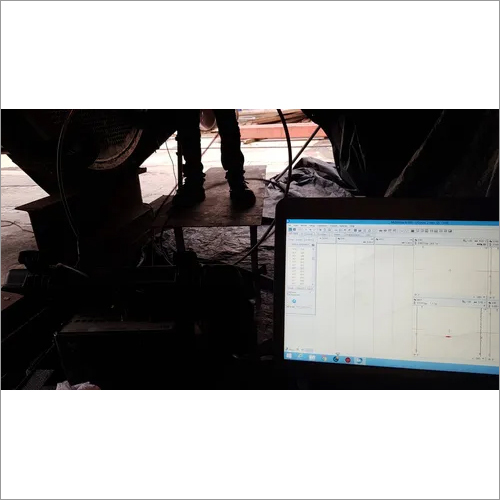
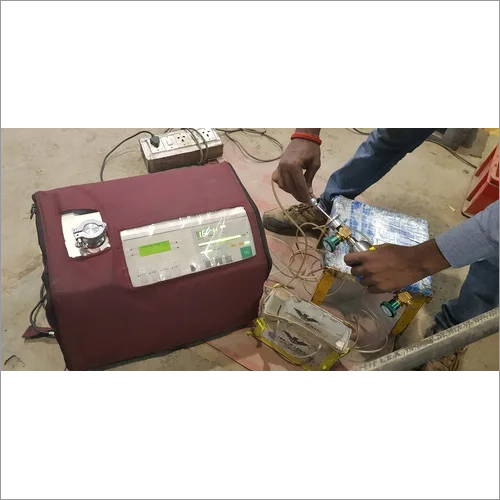
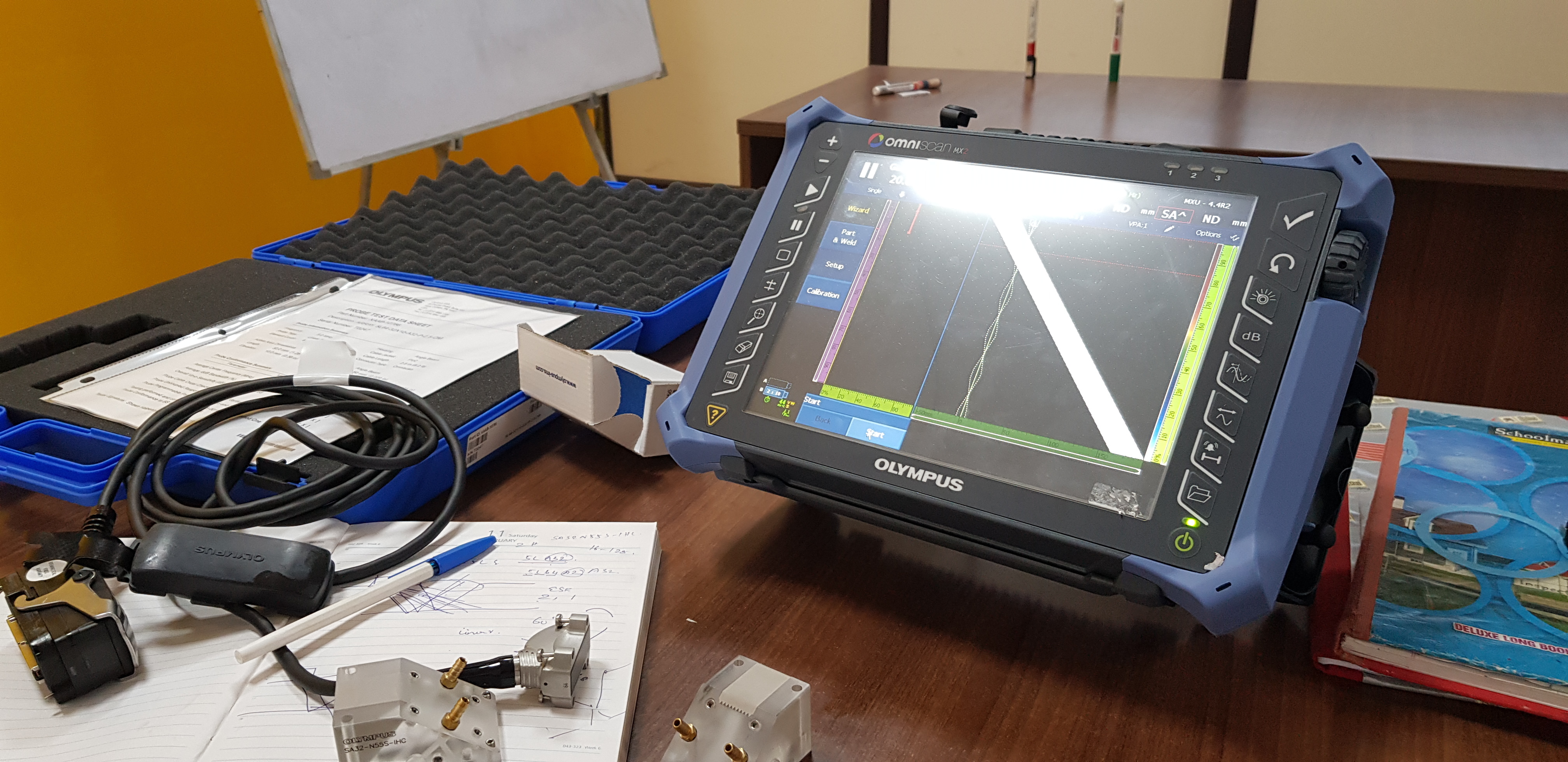
Phased Array Ultrasonic Testing
Phased Array Ultrasonic Testing Specification
- Frequency
- Range 0.5 to 20 MHz selectable
- Power
- 30 W max
- Material
- ABS industrial grade housing with high-durability polymer and stainless steel connectors
- Temperature
- Operating: 0C to 50C, Storage: -20C to 60C
- Voltage
- Rechargeable Li-ion battery, 14.8 V
- Driven Type
- Battery and mains operated
- Size
- Handheld, 230mm x 150mm x 60mm
- Interface
- USB, LAN, HDMI, SD Card Slot
- Weight
- 1.2 kg (with battery installed)
- Measuring Range
- 1 mm to 9999 mm (steel)
- Usage & Applications
- Inspection of welds, casting, forgings, and composite materials in oil & gas, power generation, aerospace, and shipbuilding industries
- Display
- 8 TFT LCD, 800 x 600 pixel resolution, color touchscreen
- Data Storage
- 16 GB internal memory, expandable with SD card
- Number of Laws
- Up to 2048
- Pulser Voltage
- 50V 200V (adjustable)
- Software
- Advanced flaw detector and analysis suite included
- Enclosure Rating
- IP65 protection
- Language Support
- Multilingual (English, French, German, Spanish, Chinese, and more)
- A-Scan/D-Scan/S-Scan modes
- Available
- Battery Life
- 7-10 hours continuous operation
- Channels
- 32, 64 or 128 element phased array probe support
- Calibration
- Automatic and manual modes available
- Connectivity
- Wi-Fi and Ethernet for real-time data transfer
Phased Array Ultrasonic Testing Trade Information
- Main Export Market(s)
- Africa, Middle East, Asia
- Main Domestic Market
- North India
About Phased Array Ultrasonic Testing
Phased Array Ultrasonic Testing also referred to as PAUT is advanced form of Ultrasonic Testing which is widely used now for inspection of welds and other items . In various cases, RT has also been replaced by PAUT.
Product details
|
Components Of Testing |
Pressure Vessels, Pipeline/Piping, Welded Joints |
|
Type Of Material |
Non-Destructive |
|
Application Type |
Mechanical Engineering |
|
Testing Methodology |
Ultrasonic Testing |
|
Service Type |
New Construction and Inspection |
|
Place Of Testing |
Field |
|
Value Data Report On |
Internal Defects |
|
Certification Scheme |
Any |
|
Industry Body Standards |
ASNT, PCN, AWS, ASME, ISO |
Flexible Probe Compatibility and High Channel Count
The device supports a range of probe configurations with 32, 64, or 128 elements, allowing customization for different materials and inspection depths. Its multi-channel capacity ensures high-resolution scans, making it suitable for complex inspections across diverse industries such as energy, transport, and manufacturing.
Powerful Data Management and Connectivity
Equipped with 16 GB internal memory and expandable SD card support, the tester allows efficient storage of large inspection datasets. Its advanced networking options, including Wi-Fi and Ethernet, enable real-time data transfer for analysis or remote consultation. USB, LAN, and HDMI interfaces provide additional versatility for integration into workflows.
Advanced Flaw Detection and Multilingual Software
With integrated A-Scan, D-Scan, and S-Scan modes, the PAUT device delivers detailed visualization and precise identification of flaws. The included advanced analysis suite supports English, French, German, Spanish, Chinese, and more, making it user-friendly for global teams and service providers.
FAQs of Phased Array Ultrasonic Testing:
Q: How does the PAUT device enhance flaw detection in industrial materials?
A: The device utilizes phased array probes and up to 2048 laws to generate high-resolution ultrasonic images, allowing detailed inspection and reliable detection of defects in welds, castings, forgings, and composites across multiple industries.Q: What is the typical process for using the PAUT device in field inspections?
A: Technicians select the appropriate scanner mode and probe size for the material, calibrate the device (automatically or manually), collect data via scans, and analyze results using the built-in advanced software. Inspection reports are then stored or transmitted as needed.Q: When should the devices internal memory be expanded with an SD card?
A: Expanding the internal memory is recommended when handling frequent inspections, storing large datasets, or archiving previous scan records for long-term projects that require extensive data retention and backup.Q: Where can this ultrasonic tester be used effectively?
A: The device is optimized for use in challenging environments encountered in oil & gas, aerospace, shipbuilding, and power generation. Its IP65 enclosure rating, temperature tolerances, and sturdy build ensure reliable operation both indoors and outdoors across India.Q: What benefits does the advanced flaw detector and analysis suite provide?
A: It offers precise defect characterization, comprehensive scan visualization (A-Scan, D-Scan, S-Scan), multilingual support for global teams, and seamless integration into quality assurance workflows, improving decision-making and inspection reliability.Q: How is real-time data transfer accomplished with the device?
A: Real-time data transfer is facilitated via built-in Wi-Fi and Ethernet connectivity, allowing inspection results to be shared instantly with remote analysts, quality control teams, or company networks for collaborative decision-making.Q: What usage duration can be expected from the devices battery and how is it charged?
A: The rechargeable 14.8V Li-ion battery provides 7-10 hours of continuous operation. The unit can be charged using mains power, ensuring extended usage during prolonged inspections and guaranteeing minimal downtime.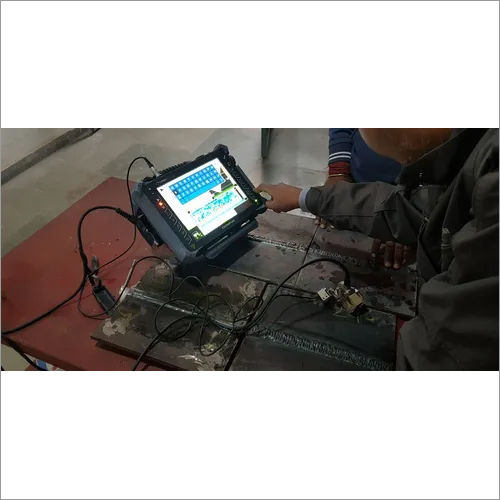

Price:
- 50
- 100
- 200
- 250
- 500
- 1000+

More Products in Advanced Non Destructive Testing Category
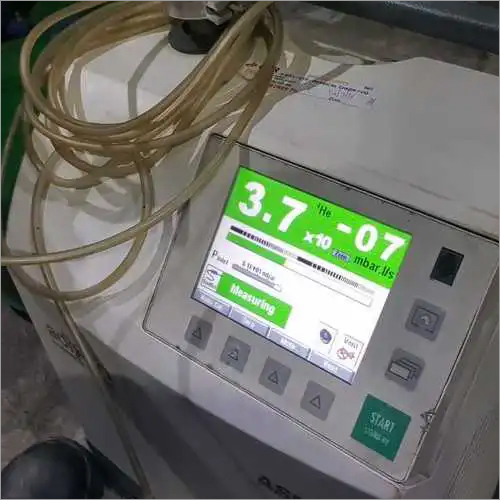
Helium Leak Testing
Weight : Varies as per model and application
Driven Type : Electric
Size : Customizable or standard depending on application
Interface : Digital and analog output interfaces, RS232/RS485, USB
Usage & Applications : Vacuum Systems, Automotive, Aerospace, Pharmaceutical, Power Plant Equipment, Sealed Components Testing
Display : Digital LCD/LED
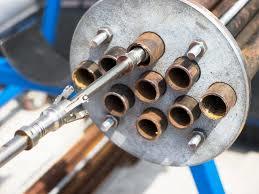
Internal Rotatory Inspection System
Weight : Approx. 1015 kg
Driven Type : Motorized
Size : Customizable as per requirement
Interface : Digital & Analog options
Usage & Applications : Inspection of internal surfaces of pipes and tubes
Display : Highresolution LCD
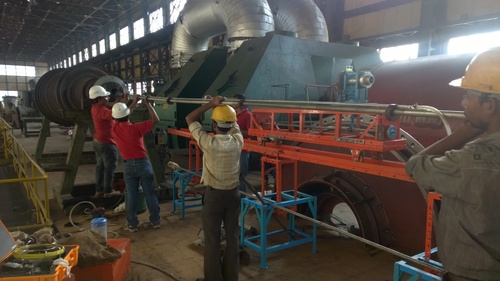
Borescopic Inspection Services
Weight : Lightweight, Approx. 0.5 2.5 kg (depending on configuration)
Driven Type : Manual articulated or motorized control depending on probe type
Size : Customizable Probe Lengths (commonly 1m to 10m)
Interface : Compatible with digital displays, USB, SD card, and video output interfaces.
Usage & Applications : Internal visual inspection of inaccessible areas in pipelines, turbines, engines, vessels, welds, and structural cavities across industry sectors such as Oil & Gas, Aviation, Power, and Manufacturing.
Display : Highresolution LCD, LED or TFT digital display
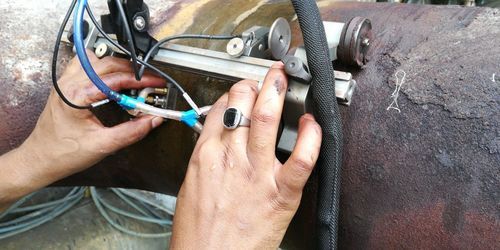
Time of Flight Diffraction
Weight : Approx. 23 kg
Driven Type : Electric
Size : Portable, Handheld Unit
Interface : USB, Ethernet
Usage & Applications : Detection and sizing of flaws, weld inspection and corrosion mapping in metals
Display : HighResolution Colour LCD



Contact Details
AN NABL Accredited Lab For Mechanical & Chemical Testing Of Metals
 Send Inquiry
ITE Lab Division
Barola, Sector - 49 Noida, Uttar Pradesh - 201301
Industrial Facility Address :
Inspection & Testing Engineers
F-22 & F-23, Site - C, UPSIDC, Surajpur Industrial Area, Surajpur, Greater Noida, Uttar Pradesh

 |
INSPECTION & TESTING ENGINEERS
All Rights Reserved.(Terms of Use) Developed and Managed by Infocom Network Private Limited. |
